Lyor Cohen and the NO FAKES Act: AI Music Policy Analysis
Lyor Cohen has long worked just outside pop music's spotlight — the executive shaping what an artist's voice reaches, more than the one shaping what it sounds like.
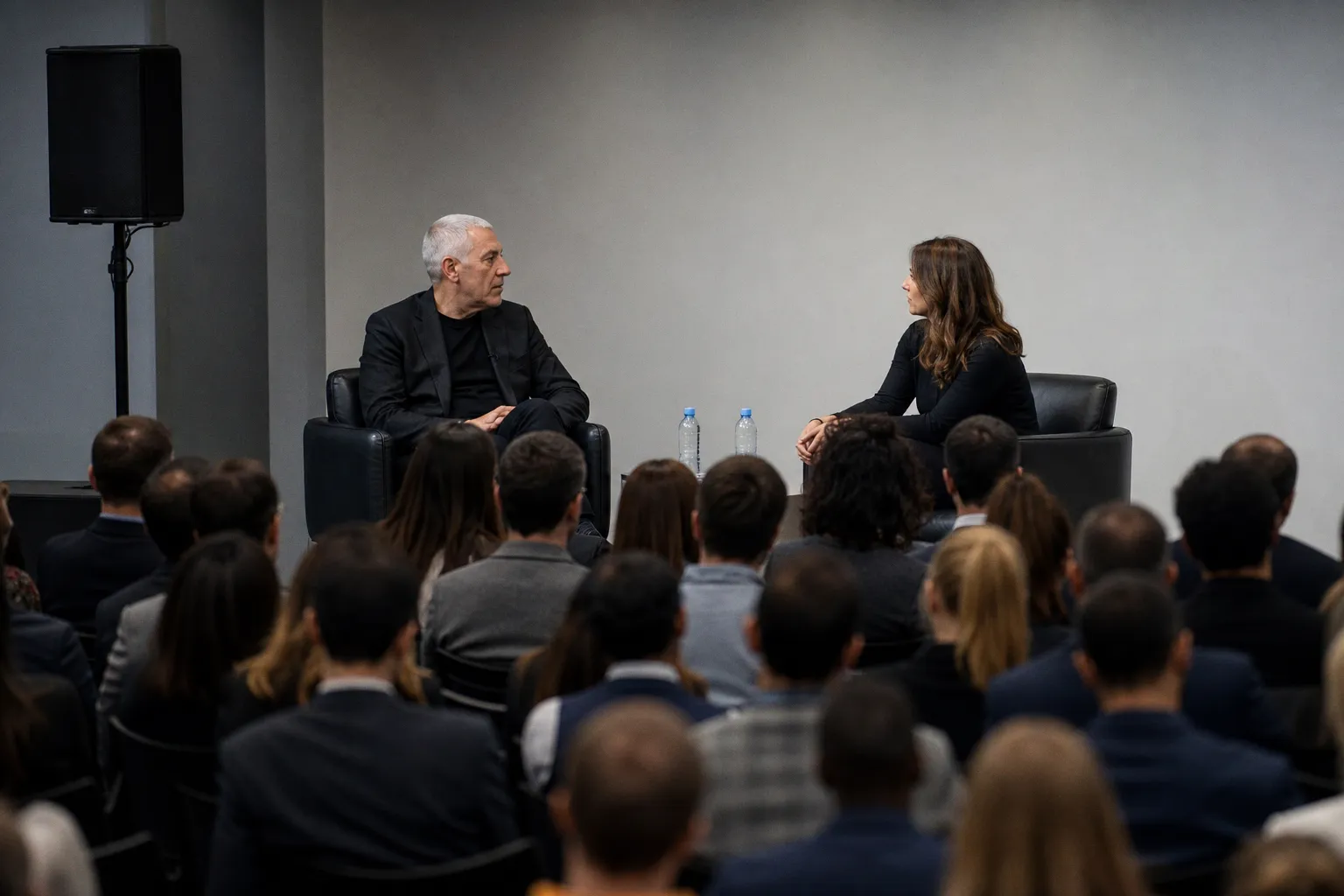
Titled "AI Needs Guardrails — the NO FAKES Act Can Create Them," the op-ed places the NO FAKES Act at the center of a debate that has been unfolding across the music industry. The protection Cohen is asking for is the right of an artist to decide when, and whether, their sound and their face are reproduced by a machine. By choosing the language of "guardrails" rather than outright prohibition, Cohen has set a tone that allows creative use to continue, but on terms the artist would set.
A question that has stayed on the page
The publication drew a quick reaction online. An Instagram post surfacing in the days after the op-ed asked nothing more than: "Wait, so which is it?" The phrasing gestures at a tension the writer sensed — between Cohen's newly declared position on behalf of artists, and the platform he represents, whose own relationship with generative AI tools has been a subject of industry discussion. The post itself stops at the question; it does not elaborate, leaving the contradiction as a gesture rather than an argument.
What we have, then, is an op-ed that reads as a sincere piece of advocacy, and a social-media reaction that has refused to let the moment pass without asking whose interests the platform's AI policies ultimately serve. The brevity of the question is its quiet power: it does not need to explain itself to land.
Why the framing matters
The choice Cohen has made to speak through the lens of "guardrails" is a deliberate one. It positions him with the language a working artist would reach for, rather than with the language of the technology industry, where the same conversation tends to lean toward innovation and market expansion. For musicians watching synthetic voices and digital likenesses circulate without their input, that framing is not a small gesture — it sets the terms of the argument in which their future participation will be negotiated.
Cohen has long stood in that negotiation. Whether he is speaking on his own behalf this week, or on behalf of the company that employs him, is the part of the story the Instagram post reached for and never quite completed. What remains open is whether YouTube, as a corporate platform, will publicly align itself with the position its music chief has now placed on the page, or whether his op-ed will stand apart from the company's posture. The answer — the one "Wait, so which is it?" is waiting on — will tell artists, listeners, and the wider industry a great deal about whether the guardrails being asked for are the ones that will actually be built.