New York SummerStage 2026: Planning Your Music City Trip
The first chord of New York’s 2026 summer concert calendar is already loud: SummerStage is preparing a 40th anniversary season with more than sixty concerts and cultural events across parks in all five boroughs.
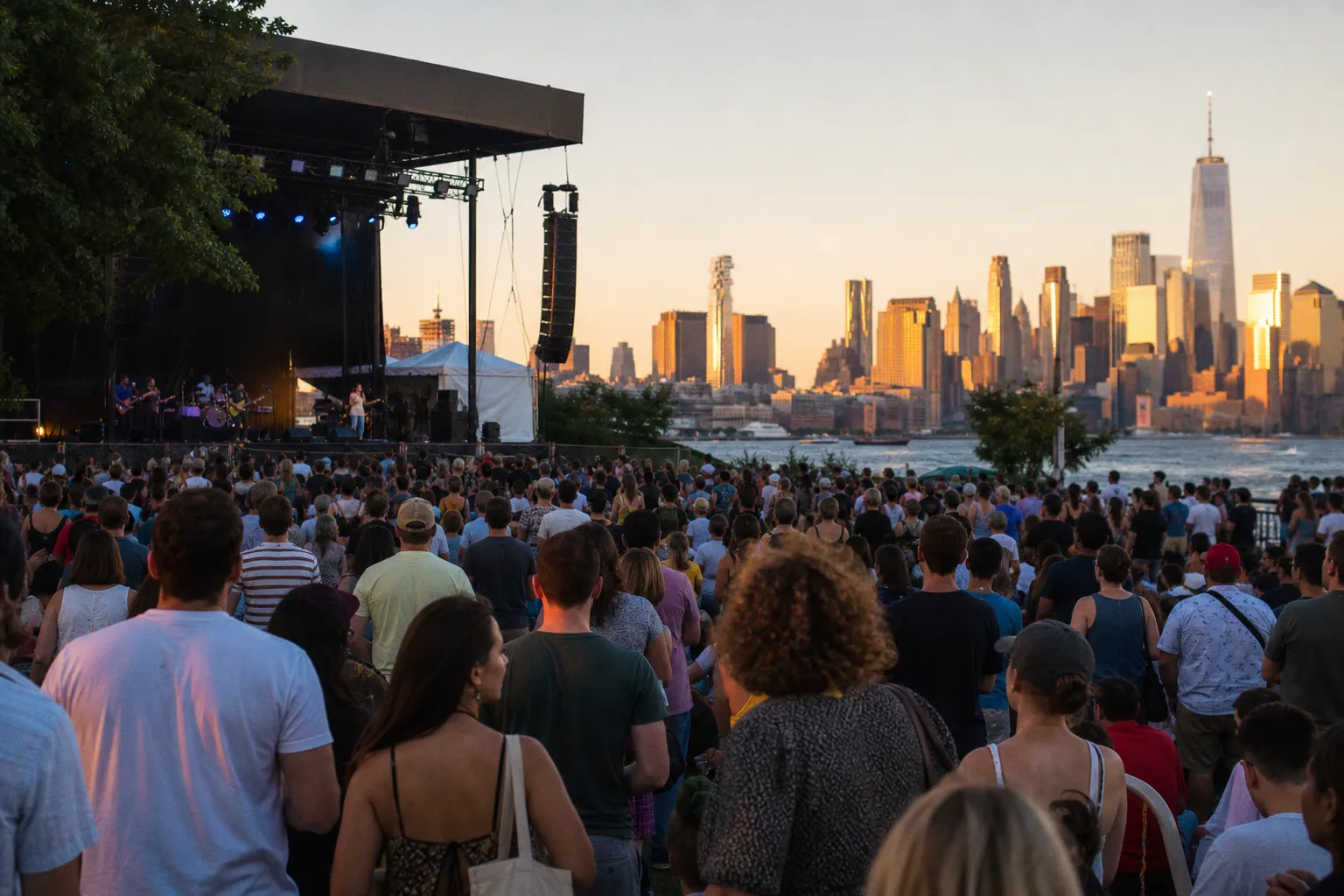
SummerStage turns parks into a five-borough live circuit
SummerStage’s 2026 edition is being framed as one of New York City’s major cultural celebrations, with programming spread through neighborhood parks rather than locked inside a single arena or festival field. That changes the fan experience. It is not just a one-stage crush; it is a moving map of outdoor shows, borough-hopping, local food, transit timing and weather calls.
The season is scheduled to begin on June 10 in Central Park with an opening celebration featuring Grammy-winning vocalist Ledisi. Spilata and DJ Kultured Child are also listed for that evening, presented as part of a Blue Note Jazz Festival collaboration.
The broader lineup, according to the report, spans jazz, gospel, indie rock, hip-hop, electronic music, international sounds and contemporary pop. Named artists include Laurie Anderson, Mavis Staples, Spoon, De La Soul, Pete Rock, Shaggy and Angélique Kidjo. That is a wide frequency range: legacy voices, club pulse, rap history, soul stamina, global grooves.
For fans, the key detail is the split between free performances and ticketed benefit shows. Free does not mean effortless. Big outdoor bills can still demand early arrival, tight crowd control and a plan for getting out after the final song. Ticketed benefit shows, meanwhile, should be checked separately rather than assumed to follow the same access rules as the community events.
Music tourism is no longer background noise
The SummerStage announcement lands inside a bigger live-entertainment shift: audiences are increasingly building trips around music events. Travel And Tour World connects the anniversary season to global music tourism trends and says the festival is expected to attract local audiences as well as domestic and international travelers.
That tracks with what is happening beyond traditional concerts. Rediff reports that FIFA uses more than 750 pre-selected stadium songs for World Cup matchdays, with teams assigned signature, warm-up and goal tracks. The point is clear: live music is now part of the emotional architecture of major public events, whether in a park, a stadium or a citywide festival.
Some of those songs become crowd detonators because they are instantly recognizable. Rediff cites examples such as The White Stripes’ “Seven Nation Army,” AC/DC’s “Thunderstruck,” Gala’s “Freed from Desire,” Neil Diamond’s “Sweet Caroline,” Daft Punk’s “One More Time,” Men At Work’s “Down Under,” Technotronic’s “Pump Up the Jam,” and K-pop tracks by acts including Blackpink and BTS in South Korea’s selections.
For an artist’s touring profile, that kind of placement matters. A song that locks onto a shared public moment can travel far beyond the setlist. A festival like SummerStage works in a similar way at city scale: it turns parks into memory machines, where a free outdoor show can carry the same aftershock as a ticketed arena night.
What fans should watch before booking
The 2026 SummerStage season sounds built for discovery, but the smart move is patience. The source confirms the broad shape — more than sixty concerts and cultural events, five boroughs, free and ticketed programming, and several named performers — but individual show logistics still need close reading as dates, venues and access details appear.
Check whether a performance is free or a benefit show. Check the park location, not just the artist name. A Central Park night and a neighborhood park date can feel completely different from the soundboard: different crowd flow, different transit pressure, different weather exposure, different curfew energy.
There is also a wider infrastructure story worth following. LBN Daily reports that a global music and tech hub is set to open in Liverpool, though the available snippet gives no further detail. Taken cautiously, it sits beside the SummerStage and FIFA examples as part of the same live-music economy: cities are not just hosting music anymore; they are using it to pull people through streets, stadiums, parks and cultural districts.
For now, SummerStage 2026 has the strongest confirmed signal. Forty years in, New York’s park-stage model still has punch: free access where possible, benefit shows where needed, and a lineup broad enough to make travelers build a summer around the bassline.