Overcoming AI’s ‘Storytelling’ Problem: Lessons From The Music Industry
One high-profile artist has reframed AI’s creative threat as a market-positioning issue, not a talent-collapse issue.
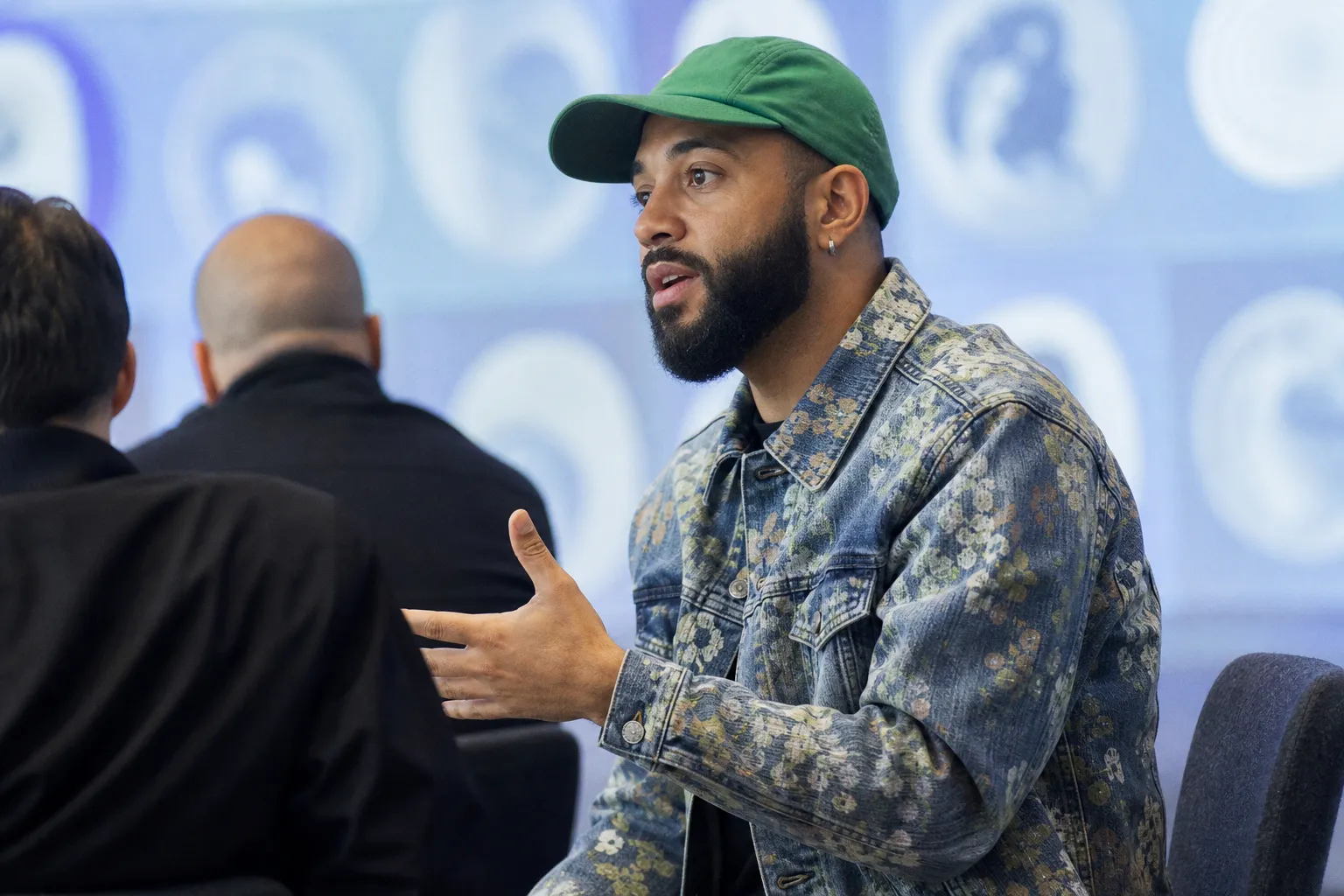
The thesis: AI has a branding deficit
According to Forbes, will.i.am described the current anxiety around artificial intelligence in music and the arts as a “storytelling problem.” His point was specific: developers building AI models are rarely framed as creative workers, even though their tools are beginning to shape cultural output.
That argument matters because music has seen this cycle before. The recorded-music business did not emerge from performance alone; it expanded around hardware, formats and new listening behaviors. Will.i.am pointed to vinyl records and the gramophone as examples of technology creating not just products, but entire categories of art and commerce.
His broader claim was that AI could generate industries that are not yet visible. That is not a forecast with market sizing attached; no such figures were provided. But it is a familiar industry pattern. When a tool changes production, the value chain usually reallocates: creators, distributors, platforms and rights holders all test where the new margin sits.
For the pop business, the practical read is clear. AI is not only a studio tool. It is a potential format shift, and format shifts tend to alter market share.
Why the music comparison is commercially useful
Will.i.am’s examples were drawn from technology-led changes inside music: records, synthesizers, drum machines and sampling. His argument was that each wave created new genres and industries rather than simply replacing the previous layer of talent.
The key data points from the reported remarks:
- will.i.am spoke at the AI for Good Summit in Geneva.
- He is a goodwill ambassador to the AI for Good Skills Coalition.
- The coalition is led by the International Telecommunication Union, the UN agency for digital technologies.
- Its stated aim is AI skills development, including for schoolchildren in distressed regions.
- He argued that AI should align with “humanism,” emphasizing empathy, tolerance, patience, understanding and problem-solving.
- He said developers should be recognized within the creative story around AI.
The skepticism belongs in the last bullet. Recognition is not the same as rights allocation. In music, being named as part of the creative process can affect credit, leverage and economics. But the evidence here does not establish any new licensing framework, royalty model or legal standard. It is a cultural argument first, with commercial implications second.
That distinction is important for managers and artists watching AI vendors. “Storytelling” can soften backlash, but it does not settle recoupable costs, ownership, consent or downstream monetization. Those metrics remain outside the reported comments.
What the industry should watch next
The AI-in-music debate is already running on two tracks: innovation and backlash. MSN’s cited item frames the same sector as one facing both forces. Business Standard points to a broader evolution in the music business as it coalesces. Music Business Worldwide, meanwhile, is tracking deal activity across the sector, including references to Primary Wave, Kobalt, CVC and DistroKid in its weekly round-up.
Taken together, the market picture is not subtle. Capital is still moving around music assets and infrastructure while AI is being sold as the next creative layer. That creates a familiar tension: the tools are promoted as democratizing, while the upside often depends on who owns catalogues, platforms, data access and distribution.
For artists, the immediate checklist is narrow:
- Check whether AI tools used in writing, production or marketing create rights questions.
- Track whether credits and contractual language cover AI-assisted work.
- Treat “new genre” claims as early-stage positioning unless there are measurable audience, revenue or licensing signals.
- Separate education and access initiatives from commercial AI deployment.
Will.i.am’s framing is useful because it avoids the simplistic “AI versus artists” binary. But the next phase will be judged less by conference language than by deal terms, platform incentives and chart behavior. If AI becomes a genre engine, the winners will not be the loudest advocates. They will be the parties that convert the new workflow into durable rights, repeatable metrics and defensible market share.