Superstar Brokers Connecting Global Music Rights Institutional Capital
Four market signals landed in the same news cluster: a report framed around “superstar brokers” connecting global music rights with institutional capital, a fresh interview positioning K-pop as a…
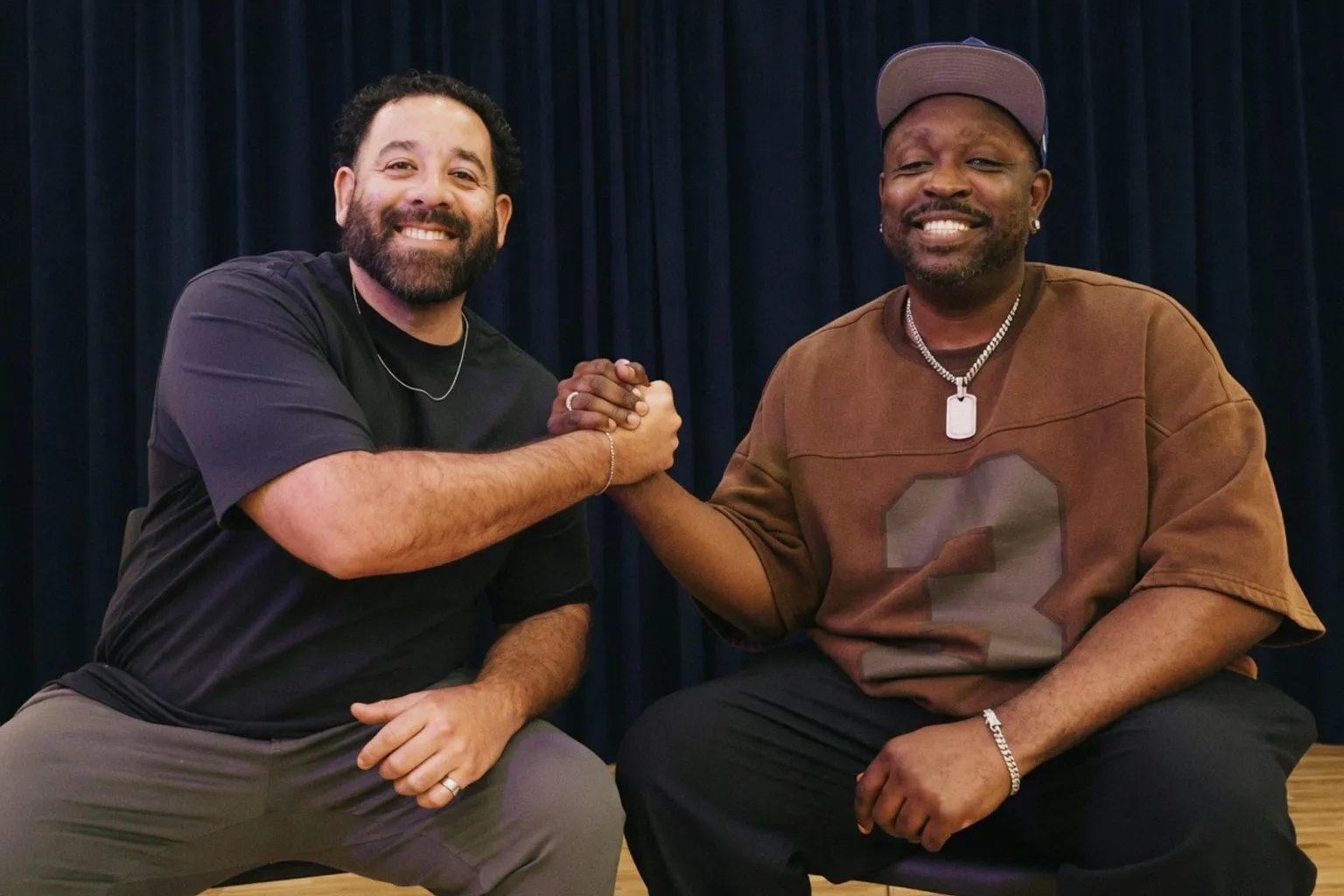
Four market signals landed in the same news cluster: a report framed around “superstar brokers” connecting global music rights with institutional capital, a fresh interview positioning K-pop as a global trend-setter, a note on Universal Music Group’s long-term growth paths, and a smaller item on music’s potential market ripple in language learning. The hard takeaway for pop investors, catalog watchers, and artist teams is not a single transaction. It is the continuing conversion of music from cultural output into structured, finance-readable assets.
For celebtopnews.com’s Chart Leaders audience, the relevant question is practical: which stars, labels, and catalogs are becoming bankable ecosystems rather than short-cycle streaming stories. The available reporting does not confirm deal sizes, buyers, sellers, or specific rights packages. It does, however, show where the market is looking: rights ownership, global fan infrastructure, and repeatable production systems.
Rights are being packaged for institutional attention
MSN’s item is framed around “Superstar Brokers Connecting Global Music Rights Institutional Capital.” The wording matters. It points to an intermediary layer between celebrity-driven music rights and capital pools that typically require predictable metrics, scale, and defensible revenue assumptions.
No confirmed details in the available material identify the brokers, the artists involved, the institutions, or any transaction value. That limits the claim. But the direction is clear enough to monitor: music rights are being discussed less as isolated creative property and more as inventory that can be evaluated, bundled, and sold into broader financial demand.
For artists and estates, that raises a familiar trade-off:
- near-term liquidity versus long-term control;
- catalog valuation versus future upside;
- brand management versus third-party monetization;
- streaming data versus broader fan-economy signals.
The risk for readers is over-reading the headline as evidence of a completed market shift. It is better treated as a watchlist signal. If superstar catalogs are being positioned for institutional capital, the next meaningful disclosures would be actual counterparties, rights scope, recoupable obligations, and whether income is tied mainly to recorded music, publishing, name-and-likeness uses, or a broader rights stack.
K-pop’s model is becoming a valuation case study
The clearest source material comes from Maeil Business Newspaper’s interview with producer Sleep Deez and producer Stu Stapleton. Sleep Deez, known for work with Beyoncé and as a co-writer and co-composer of Jungkook’s “My Time,” said K-pop has moved from participant to force-setting direction in the global music market. He has worked with major Korean agencies including HYBE, JYP Entertainment, and SM Entertainment, and has been connected to K-pop work since 2015.
His central point was not simply that K-pop releases songs. It builds “worlds”: albums, concepts, visuals, performances, and fan communities operating as a single commercial system. Stapleton similarly emphasized that K-pop places consumers at the center across music, visuals, merchandise, and marketing.
That is the part capital understands. A song can spike. A world can be modeled. The K-pop structure creates more measurable surfaces: release cadence, fan conversion, merchandise attachment, visual identity, touring potential, and community retention. In market-share terms, it is less dependent on one track clearing the algorithmic push and more dependent on a repeatable operating system.
The interview also highlighted production discipline. Sleep Deez contrasted Korea’s clear schedules and decision-making structures with the less predictable process he described in the United States. Stapleton said Korean entertainment companies have clear goals and direction, with executives sometimes present during the studio process.
For artists outside the K-pop system, the implication is not to copy the format. It is to understand the metric logic behind it. Institutional capital tends to reward predictable pipelines and clear ownership structures. K-pop’s competitive edge, as described in the interview, is that creativity is tied to process, not left as an unpriced variable.
AI efficiency is not replacing the human premium yet
The Maeil Business Newspaper interview also brought AI into the rights conversation. Sleep Deez and Stapleton both described AI as useful for efficiency, while stressing that human creators remain essential. Sleep Deez said AI can help him make more songs alone, but also reduces time spent working with other people. He framed AI as a tool to support creativity, not replace it. Stapleton said good music still needs human emotion and experience, and predicted stronger demand for real performers, lyricists, and human connection as technology advances.
That matters for catalog pricing. If the market begins to discount generic output, the premium shifts toward identifiable performers, durable communities, and rights with cultural specificity. In other words, the more music supply expands, the more valuable scarce artist identity may become.
A separate item says Universal Music Group has outlined long-term growth paths as a global music leader. The available snippet does not provide the content of those paths, so the detail cannot be extended. Still, placed beside the K-pop interview and the rights-capital headline, it fits the same operating thesis: major music companies and star ecosystems are being assessed on growth durability, not just current chart position.
Forecast: the next cycle of pop power will likely be split between artists with strong community infrastructure and rights holders able to translate that infrastructure into finance-grade metrics. The market will not only ask who is streaming. It will ask who owns, who brokers, and who can keep the audience compounding.